


Confidentiality as a Competitive Advantage in a Franchise Sale
In a connected world, information travels instantly. A single forwarded email or casual conversation can circulate among employees, customers, vendors, and competitors in hours. Every year, promising franchise sales fall apart, not over the financials, but because confidentiality was compromised. For an owner preparing to sell, strict confidentiality is not a formality; it is a strategic advantage that directly protects your value.
What a leak costs you
When word of a sale gets out prematurely, the fallout is real. Employees may feel uncertain and start looking elsewhere. Key customers may question the business and explore alternatives. Vendors might tighten credit terms, and competitors may try to capitalize on the perceived disruption. Even rumors can dent morale and performance at exactly the moment stability and strong results matter most.
The NDA has evolved
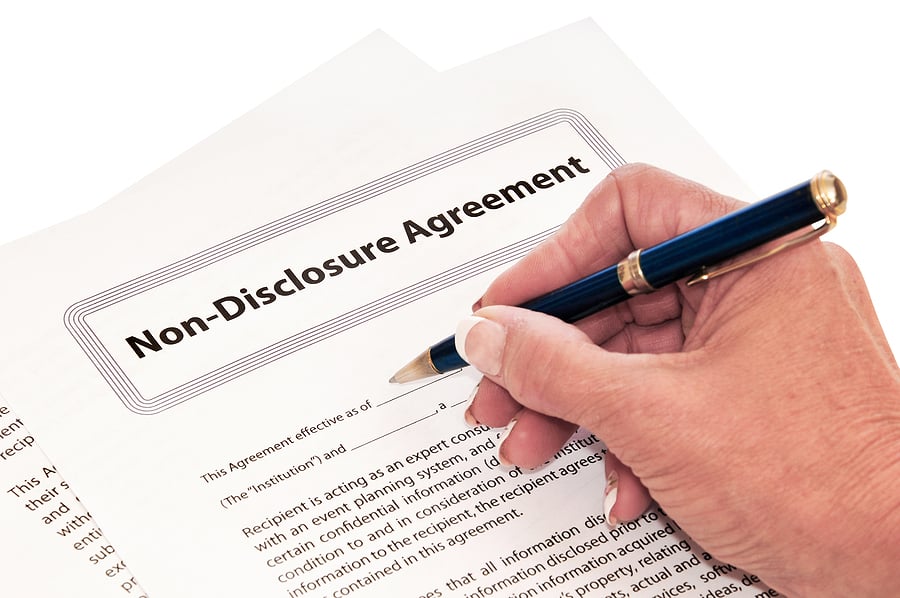
A well-drafted non-disclosure agreement is essential. Once used mainly to keep buyers from revealing that a business was for sale, today’s NDAs protect far more: financial statements, customer and supplier lists, pricing models, trade secrets, growth plans, and employee information. With most due diligence now running through secure online data rooms, defining how information is accessed and safeguarded matters more than ever.
What makes an NDA effective
A strong agreement is tailored to your specific franchise and deal, not a generic template. At a minimum it should define what counts as confidential and how it may be used, specify who can access it (typically only the buyer and their advisors), bar buyers from recruiting your employees or contacting customers directly, and spell out remedies for a breach and the return or destruction of materials if the deal falls through.
The broker as gatekeeper
Experienced brokers and M&A advisors manage confidentiality throughout the sale. They screen and financially qualify buyers before releasing detailed information, and they stage the release, general details early, highly sensitive materials only for vetted buyers. This structured approach keeps deals moving while minimizing exposure, which is one more reason to lean on the importance of confidentiality when selling.
Frequently asked questions
Why does confidentiality protect my franchise’s value?
A business that keeps running smoothly during a sale is more appealing and commands better terms. Leaks unsettle employees, customers, and vendors, which can lower performance and price.
What should a good NDA cover?
What is confidential, how it may be used, who can access it, no-poaching and no-contact provisions, and remedies plus return or destruction of materials if the deal ends.
How do brokers keep a franchise sale confidential?
They vet and qualify buyers before sharing details and release information in stages, so only serious, screened buyers ever see the most sensitive materials.
Selling your franchise discreetly?
Confidentiality is part of the value we protect. Talk to Franchise Sellers, or call 800-499-4280.