


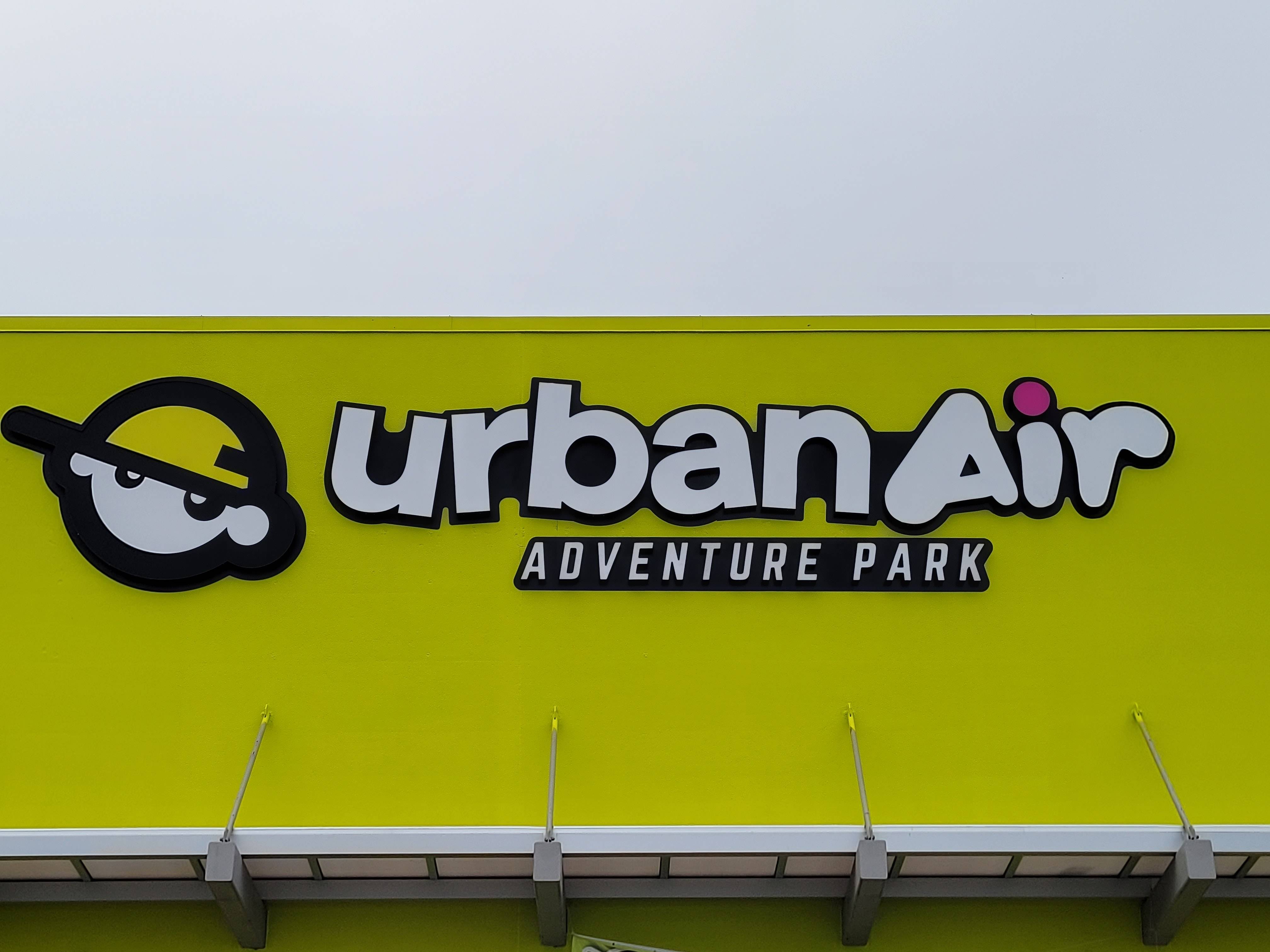
$6.5M Built, $3.9M Revenue | Urban Air Franchise
Building an indoor adventure park from scratch runs well into the millions and takes years to fill with paying families. This Urban Air in Vancouver, Washington already cleared that bar: roughly $6.5M went into the build, and it now generates about $3.9M in annual revenue.
Urban Air is one of the most recognized names in family entertainment, and this location has ramped quickly since opening in 2024. The park earns across several streams at once: open play, birthday parties, memberships, group outings, and private events, which spreads demand across weekdays, weekends, and seasons. For Vancouver families, it has become a year-round destination for both celebrations and everyday fun.
Highlights include:
This may fit a semi-absentee investor comfortable overseeing a manager-run operation, a first-time franchise buyer drawn to an established brand with training included, or an existing entertainment operator adding a high-volume location to a portfolio.
Owner is pursuing other interests
The park occupies a 45,000 sq ft corner unit in a Vancouver shopping plaza, minutes from the interstate, with parking sized for a full building of guests. The current owner took the space through a full demolition and a custom build-out designed around the park layout, including new rooftop HVAC units. Inside, the attraction mix runs from a 2-story indoor go-kart track and bumper and spin cars to a ceiling-mounted zipline, alongside the trampoline and play attractions the brand is known for. Furniture, fixtures, equipment, and on-hand inventory are included in the sale, and the space sits on a 10-year lease with two 5-year renewal options.
A buyer receives franchisor onboarding and training through Urban Air's standard franchise transfer process, typically completed over about 3 months and covering hands-on operations, staff management, customer-experience standards, and day-to-day oversight of the facility. The current owner is prepared to support the transition, and the operation already runs under a full-time general manager with a part-time team of around 100 in place, giving a new owner continuity from day one rather than a staffing rebuild.
The clearest growth lever is local marketing, an area the current owner has run lightly. A new owner who commits a directed marketing budget and shows up consistently at community events can turn the Vancouver family base into more repeat visits. Specific paths include building school and youth-organization partnerships, pursuing corporate and group bookings, and running targeted digital campaigns around birthdays, memberships, and seasonal promotions. Re-engaging past guests through email and membership offers is a further low-cost channel. Because the park is already busy on limited marketing, added demand generation has real room to lift results rather than simply fill idle capacity.

"*" indicates required fields
Building an indoor adventure park from scratch runs well into the millions and takes years to fill with paying families. This Urban Air in Vancouver, Washington already cleared that bar: roughly $6.5M went into the build, and it now generates about $3.9M in annual revenue.
Urban Air is one of the most recognized names in family entertainment, and this location has ramped quickly since opening in 2024. The park earns across several streams at once: open play, birthday parties, memberships, group outings, and private events, which spreads demand across weekdays, weekends, and seasons. For Vancouver families, it has become a year-round destination for both celebrations and everyday fun.
Highlights include:
This may fit a semi-absentee investor comfortable overseeing a manager-run operation, a first-time franchise buyer drawn to an established brand with training included, or an existing entertainment operator adding a high-volume location to a portfolio.
Owner is pursuing other interests
The park occupies a 45,000 sq ft corner unit in a Vancouver shopping plaza, minutes from the interstate, with parking sized for a full building of guests. The current owner took the space through a full demolition and a custom build-out designed around the park layout, including new rooftop HVAC units. Inside, the attraction mix runs from a 2-story indoor go-kart track and bumper and spin cars to a ceiling-mounted zipline, alongside the trampoline and play attractions the brand is known for. Furniture, fixtures, equipment, and on-hand inventory are included in the sale, and the space sits on a 10-year lease with two 5-year renewal options.
A buyer receives franchisor onboarding and training through Urban Air's standard franchise transfer process, typically completed over about 3 months and covering hands-on operations, staff management, customer-experience standards, and day-to-day oversight of the facility. The current owner is prepared to support the transition, and the operation already runs under a full-time general manager with a part-time team of around 100 in place, giving a new owner continuity from day one rather than a staffing rebuild.
The clearest growth lever is local marketing, an area the current owner has run lightly. A new owner who commits a directed marketing budget and shows up consistently at community events can turn the Vancouver family base into more repeat visits. Specific paths include building school and youth-organization partnerships, pursuing corporate and group bookings, and running targeted digital campaigns around birthdays, memberships, and seasonal promotions. Re-engaging past guests through email and membership offers is a further low-cost channel. Because the park is already busy on limited marketing, added demand generation has real room to lift results rather than simply fill idle capacity.
"*" indicates required fields
Building an indoor adventure park from scratch runs well into the millions and takes years to fill with paying families. This Urban Air in Vancouver, Washington already cleared that bar: roughly $6.5M went into the build, and it now generates about $3.9M in annual revenue.
Urban Air is one of the most recognized names in family entertainment, and this location has ramped quickly since opening in 2024. The park earns across several streams at once: open play, birthday parties, memberships, group outings, and private events, which spreads demand across weekdays, weekends, and seasons. For Vancouver families, it has become a year-round destination for both celebrations and everyday fun.
Highlights include:
This may fit a semi-absentee investor comfortable overseeing a manager-run operation, a first-time franchise buyer drawn to an established brand with training included, or an existing entertainment operator adding a high-volume location to a portfolio.
Owner is pursuing other interests
The park occupies a 45,000 sq ft corner unit in a Vancouver shopping plaza, minutes from the interstate, with parking sized for a full building of guests. The current owner took the space through a full demolition and a custom build-out designed around the park layout, including new rooftop HVAC units. Inside, the attraction mix runs from a 2-story indoor go-kart track and bumper and spin cars to a ceiling-mounted zipline, alongside the trampoline and play attractions the brand is known for. Furniture, fixtures, equipment, and on-hand inventory are included in the sale, and the space sits on a 10-year lease with two 5-year renewal options.
A buyer receives franchisor onboarding and training through Urban Air's standard franchise transfer process, typically completed over about 3 months and covering hands-on operations, staff management, customer-experience standards, and day-to-day oversight of the facility. The current owner is prepared to support the transition, and the operation already runs under a full-time general manager with a part-time team of around 100 in place, giving a new owner continuity from day one rather than a staffing rebuild.
The clearest growth lever is local marketing, an area the current owner has run lightly. A new owner who commits a directed marketing budget and shows up consistently at community events can turn the Vancouver family base into more repeat visits. Specific paths include building school and youth-organization partnerships, pursuing corporate and group bookings, and running targeted digital campaigns around birthdays, memberships, and seasonal promotions. Re-engaging past guests through email and membership offers is a further low-cost channel. Because the park is already busy on limited marketing, added demand generation has real room to lift results rather than simply fill idle capacity.