


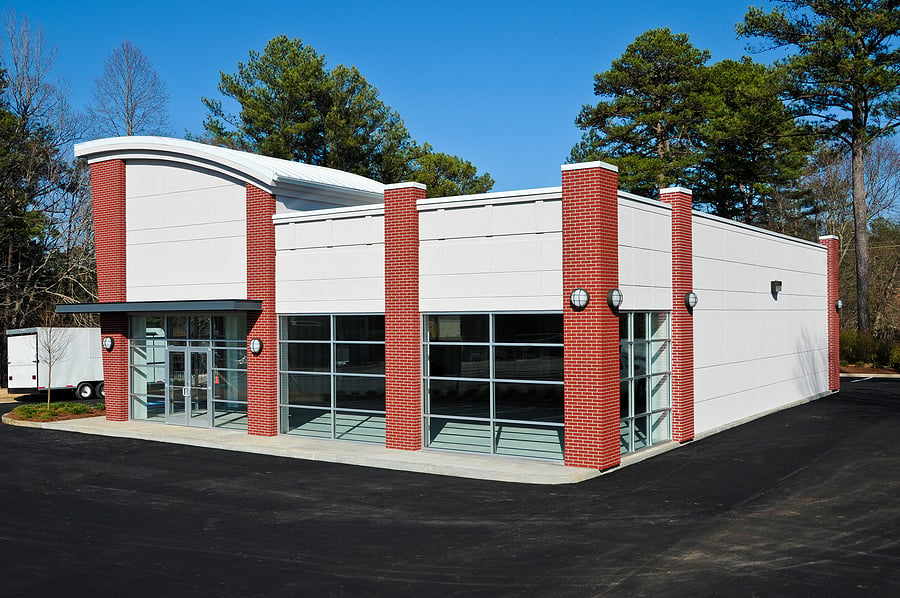
The Lease Factor: Why Real Estate Can Make or Break a Business Sale
When you buy or sell a business, it is easy to focus on revenue, customers, and brand and forget the lease. But when a lease is involved, the real estate can quickly become one of the most important and complicated parts of the deal. For location-dependent businesses like restaurants, salons, fitness studios, and retail, the space is often inseparable from the business itself. Even businesses that do not rely on foot traffic need to understand how the lease affects a sale. Overlook the lease details and you can walk into expensive surprises later.
Lease strategy for buyers
If you are buying a business that operates under a lease, flexibility should be near the top of your list. As the new owner you may want the option to rebrand, relocate, or restructure, so many advisors suggest negotiating a shorter initial term, sometimes as little as one year, with clear options to extend once you know the business is a good fit. Your leverage depends on the situation: it is limited when the business is thriving and the lease has years left, but it improves when a lease is near expiration or the business is underperforming and the landlord wants to keep a tenant in place.
Plan beyond day one
A lease is not just about where you operate today, it is about protecting your future. If you are in a shopping center or mall, find out whether the landlord can lease nearby space to a direct competitor, and consider an exclusivity clause to keep one from moving in next door. Some tenants also negotiate rent adjustments if a major anchor tenant leaves, since losing a big draw can cut foot traffic dramatically.
Think ahead to your own exit, too. When it is time to sell, you will want a lease that can be assigned or transferred to a buyer, so understand the landlord’s approval requirements early to avoid delays. And if the building ever goes up for sale, a right of first refusal or purchase option can keep you from being forced to move after years of investment in the location.
Lease fundamentals you cannot ignore
Every lease should spell out the responsibilities of both tenant and landlord. Before signing, review it with an experienced attorney and make sure you understand who handles repairs, maintenance, taxes, insurance, and common area costs. Plan for worst-case scenarios as well: if there is a fire, flood, or other disaster, who is responsible for rebuilding, and what happens to rent during the downtime?
These terms matter more than sellers often expect. A rigid landlord who refuses to modify terms or offer reasonable concessions can cause an otherwise solid deal to fall apart, and buyers do walk away. In some cases a seller will step in to bridge the gap, offering an incentive to offset unfavorable lease terms and keep the deal alive.
Leases in a franchise resale
Franchise resales add a wrinkle. Many franchise businesses are tied to a specific, approved location, so the lease and the franchisor’s territory rules both have to work for the buyer. Lining up landlord consent for the assignment early, alongside franchisor approval, keeps these two approvals from colliding at the finish line. You can see how location-based franchises for sale are positioned on our marketplace.
Frequently asked questions
Can I transfer my lease to the buyer when I sell?
Usually, but most leases require the landlord’s consent to assign or transfer the lease to a new tenant. Review your assignment clause early and start the landlord conversation before you are under contract, so approval does not delay closing.
Should a buyer negotiate a shorter lease term?
Often, yes. A shorter initial term with options to extend gives a new owner flexibility to rebrand or relocate, while still protecting the location if the business performs well.
Can a difficult landlord really kill a deal?
It happens. If a landlord refuses reasonable lease modifications or an assignment, a buyer may walk. Addressing lease terms early, and knowing the landlord’s requirements, is the best way to prevent it.
Selling a location-based business?
Your lease can be one of the biggest factors in getting a deal closed. Talk to Franchise Sellers about preparing your franchise or business for sale, or call 800-499-4280.