


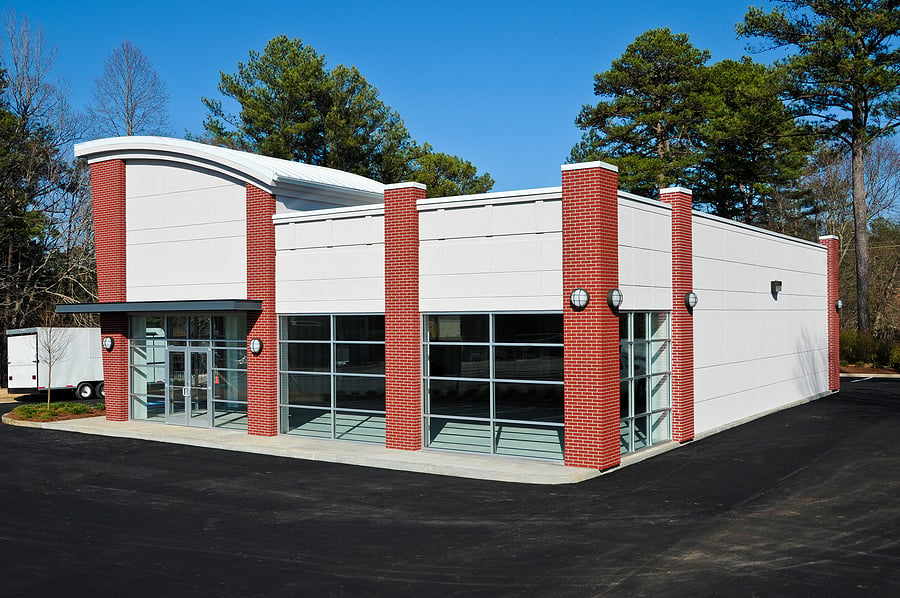
The Lease Factor: Why Real Estate Can Make or Break a Business Sale
When you buy or sell a business, it is easy to focus on revenue, customers, and brand and forget the lease. But when a lease is involved, the real estate can quickly become one of the most important and complicated parts of the deal. For location-dependent businesses like restaurants, salons, fitness studios, and retail, the space is often inseparable from the business itself. Even businesses that do not rely on foot traffic need to understand how the lease affects a sale. Overlook the lease details and you can walk into expensive surprises later.
Lease strategy for buyers
If you are buying a business that operates under a lease, flexibility should be near the top of your list. As the new owner you may want the option to rebrand, relocate, or restructure, so many advisors suggest negotiating a shorter initial term, sometimes as little as one year, with clear options to extend once you know the business is a good fit. Your leverage depends on the situation: it is limited when the business is thriving and the lease has years left, but it improves when a lease is near expiration or the business is underperforming and the landlord wants to keep a tenant in place.
Plan beyond day one
A lease is not just about where you operate today, it is about protecting your future. If you are in a shopping center or mall, find out whether the landlord can lease nearby space to a direct competitor, and consider an exclusivity clause to keep one from moving in next door. Some tenants also negotiate rent adjustments if a major anchor tenant leaves, since losing a big draw can cut foot traffic dramatically.
Think ahead to your own exit, too. When it is time to sell, you will want a lease that can be assigned or transferred to a buyer, so understand the landlord’s approval requirements early to avoid delays. And if the building ever goes up for sale, a right of first refusal or purchase option can keep you from being forced to move after years of investment in the location.
Lease fundamentals you cannot ignore
Every lease should spell out the responsibilities of both tenant and landlord. Before signing, review it with an experienced attorney and make sure you understand who handles repairs, maintenance, taxes, insurance, and common area costs. Plan for worst-case scenarios as well: if there is a fire, flood, or other disaster, who is responsible for rebuilding, and what happens to rent during the downtime?
These terms matter more than sellers often expect. A rigid landlord who refuses to modify terms or offer reasonable concessions can cause an otherwise solid deal to fall apart, and buyers do walk away. In some cases a seller will step in to bridge the gap, offering an incentive to offset unfavorable lease terms and keep the deal alive.
Leases in a franchise resale
Franchise resales add a wrinkle. Many franchise businesses are tied to a specific, approved location, so the lease and the franchisor’s territory rules both have to work for the buyer. Lining up landlord consent for the assignment early, alongside franchisor approval, keeps these two approvals from colliding at the finish line. You can see how location-based franchises for sale are positioned on our marketplace.
Frequently asked questions
Can I transfer my lease to the buyer when I sell?
Usually, but most leases require the landlord’s consent to assign or transfer the lease to a new tenant. Review your assignment clause early and start the landlord conversation before you are under contract, so approval does not delay closing.
Should a buyer negotiate a shorter lease term?
Often, yes. A shorter initial term with options to extend gives a new owner flexibility to rebrand or relocate, while still protecting the location if the business performs well.
Can a difficult landlord really kill a deal?
It happens. If a landlord refuses reasonable lease modifications or an assignment, a buyer may walk. Addressing lease terms early, and knowing the landlord’s requirements, is the best way to prevent it.
Selling a location-based business?
Your lease can be one of the biggest factors in getting a deal closed. Talk to Franchise Sellers about preparing your franchise or business for sale, or call 800-499-4280.
Read More
You Might Be More Ready for Business Ownership Than You Think
Many people wonder whether they are truly cut out to own a business. Entrepreneurship is not the right path for everyone, but most owners are not born ready either. The skills, mindset, and confidence to succeed are usually built over time through experience and persistence. If you have ever felt drawn to independence and building something of your own, you may already be more ready to own a business than you realize. Here are the qualities most successful owners share, each of which can be strengthened.
Do you want control over your future?
One of the strongest reasons to own a business is the desire to shape your own professional life: your schedule, your direction, and decisions that reflect your values. No business is free of challenges, but as the owner you are steering the ship instead of waiting for someone else to set the course. A sense of optimism helps owners push through uncertainty and keep building.
Are you willing to take smart risks?
Risk is part of ownership, but successful owners are intentional rather than reckless. They study the opportunity, weigh the trade-offs, and plan before committing. Financial investment and some personal sacrifice are often part of the early journey. What matters most is resilience: the ability to stay focused and keep moving forward when things get uncomfortable. This is one reason many first-time owners choose to buy an existing franchise, where a proven system and established customers take some of the guesswork out of the leap.
Are you driven to grow?
Many owners are energized by building value over time: growing income, expanding their impact, and creating jobs for others. Results rarely happen overnight, but patience and consistency pay off. Ownership rewards people who are willing to learn and make good decisions day after day. If you enjoy setting goals and working steadily toward them, you are already thinking like an owner.
Do you value relationships and teamwork?
Despite the image of the solo entrepreneur, most successful businesses are built through collaboration with employees, partners, advisors, and customers. Strong communication, openness to feedback, and emotional intelligence go a long way. The best owners do not have every answer, but they surround themselves with people who complement their strengths.
A lower-risk path to ownership
If starting from scratch feels daunting, buying an established business or franchise can be a more approachable first step. You inherit existing revenue, proven systems, and often a trained team, and financing can be easier to secure for a business with a track record. Browse current franchises for sale to see what ownership could look like.
Frequently asked questions
Do I need experience to buy a business?
Not necessarily. Many successful owners come from other careers. Transferable skills, a willingness to learn, and good advisors matter more than prior ownership experience, and buying an established business with existing systems can shorten the learning curve.
Is buying an existing business less risky than starting one?
Often, yes. An established business already has customers, revenue, and proven operations, which removes some of the uncertainty of a startup and can make financing easier to obtain.
How much money do I need to buy a business?
It varies widely by the business and its price. Many buyers combine personal funds with an SBA acquisition loan and sometimes seller financing. SBA lending is a common path for financing an established business or franchise.
Ready to explore ownership?
You may be more ready than you think. Browse franchises for sale or learn how to buy a franchise with Franchise Sellers, or call 800-499-4280.
Read More
The Case for Buying an Established Franchise
Buying an established franchise offers a level of predictability that starting a brand-new unit, or an independent startup, simply cannot match. No matter how strong the concept, a new venture always carries uncertainty. An established franchise, by contrast, hands you a documented operating history you can evaluate before you commit. Here is why so many buyers choose a proven, existing franchise over starting from zero. (If you are still weighing it, compare this with what to investigate in a franchise resale.)
You are buying a track record
Past performance lets you assess what works, what does not, and where the opportunities are. Instead of guessing how the market will respond, you are stepping into a location that has already proven it can operate. That is a meaningful head start over a new franchise unit that still has to build its customer base from opening day.
Established relationships create immediate value
Trust, reputation, and consistency take years to build. An established franchise has already done that work. Customers, suppliers, lenders, and the franchisor already know the location and are comfortable with it. Those relationships provide continuity through the ownership transition, whereas a new unit has to earn them from scratch.
A reliable supply chain and customer base
Proven operations matter. New businesses routinely underestimate how hard it is to line up dependable vendors, and disruptions there create cash-flow problems young operations are ill-equipped to absorb. An established franchise typically has vetted systems and recurring customers already in place, so you can focus on growth instead of firefighting.
Cash flow from day one
Many businesses fail because of cash-flow mismanagement, and startups can take years to turn a profit. A healthy established franchise generates cash flow immediately. You can review historical financials, understand the revenue patterns, and plan the next chapter with far more confidence.
An experienced team
A franchise is only as strong as its people. An established location usually comes with trained employees and managers who know the brand, the systems, and the customers. That continuity is hard to replicate when you are hiring an entire team from scratch.
Frequently asked questions
Why buy an established franchise instead of a new unit?
You get a proven track record, existing relationships, reliable operations, immediate cash flow, and a trained team, rather than building all of that from opening day.
How do I evaluate an established franchise?
Review the historical financials, the lease, supplier arrangements, and the franchisor’s transfer terms, and confirm you will be approved as the new owner.
Is an established franchise less risky?
It removes much of the guesswork of a startup, though every purchase carries risk. Good due diligence and the right advisors reduce it further.
Looking for an established franchise?
We help buyers find proven opportunities. Talk to Franchise Sellers, or call 800-499-4280.
Read More
A Smooth Franchise Acquisition: What to Expect
Understanding the process of buying a franchise, and the bumps along the way, makes for a far smoother acquisition. Whether you are buying a small location or an established multi-unit operation, a few key steps recur in almost every deal. Knowing what to expect helps you keep the process moving and avoid surprises.
Sign an NDA and protect confidentiality
Early on, you will sign a non-disclosure agreement to protect the seller’s sensitive information. Expect to share details about your financial background and experience, too, since the seller and the franchisor want to know you are qualified and serious.
Be ready for the lending process
Securing financing is one of the biggest steps. The lending process can be lengthy and paperwork-heavy, and lenders often request more information as they assess your ability to take on the business. Patience and preparation matter here. An SBA loan is a common path, and it is smart to work with two or three lenders at once so financing does not become the bottleneck.
Use your advisors wisely
Attorneys are essential for protecting your interests, though they may raise concerns that could slow or complicate the deal. Take their advice seriously, but remember the decision to move forward is yours. A non-binding offer, meanwhile, lets you signal intent and explore terms without committing right away, giving you room to negotiate before a legally binding agreement.
Go through due diligence and get franchisor approval
Due diligence is your chance to dig into financials, inventory, legal status, and more, and to verify the seller’s claims. It is your safeguard: if something does not line up, you can walk away. Unique to a franchise, you also complete the franchisor’s approval, receiving the Franchise Disclosure Document and being approved as the new franchisee, so start that step early. A broker or M&A advisor keeps all of these moving in parallel.
Frequently asked questions
How long does a franchise acquisition take?
Often several months, since financing and franchisor approval both take time. Starting financing early and running steps in parallel keeps the timeline as short as possible.
What is a non-binding offer?
A preliminary step that signals your intent to buy and sets out proposed terms without committing you legally, so both sides can explore the deal before a binding agreement.
What makes an acquisition go smoothly?
Preparation: early financing, prompt paperwork, good advisors, thorough due diligence, and an early start on franchisor approval. A broker helps coordinate it all.
Ready to buy a franchise?
We help buyers navigate every step. Learn how to buy a franchise with Franchise Sellers, or call 800-499-4280.
Read More
SBA Loans for Buying a Franchise
Financing a franchise purchase can feel daunting, especially for first-time buyers. The good news is that the Small Business Administration (SBA) makes it more attainable. Whether you want to buy an existing franchise, expand one, or open a new location, SBA loans are one of the most common ways buyers get the deal done. Here is how SBA lending works and how to use it to your advantage.
What SBA loans are and how they work
The SBA does not lend money directly. Instead, it guarantees loans made by approved lenders such as banks, credit unions, and online lenders. That guarantee lowers the lender’s risk, which makes it easier for buyers to get financing, sometimes even with less-than-perfect credit. The SBA typically guarantees up to 85% of a loan under $150,000 and up to 75% of larger loans, which encourages lenders to say yes to borrowers they might otherwise decline. Some smaller SBA loans may not even require collateral, and the funds can be used to buy a business, purchase equipment, expand, or open a franchise.
Eligibility and applying
To qualify, the business must be for-profit, operate in the U.S., and meet the SBA’s size standards for its industry. As the borrower, you will need to show the ability to repay, usually through personal and business financial statements. Preparation is everything: organized financials and a clear understanding of the target franchise’s numbers give you the best shot at approval.
Rates, terms, and timing
SBA rates are competitive and usually tied to the prime rate. Because these loans are long-term, often up to 10 years for a business acquisition, the rates tend to be more favorable than short-term commercial loans. Traditional processing runs about two to three months, though digital lending platforms have sped up approvals for many smaller loans. Start early and line up two or three lenders so financing does not become the bottleneck.
SBA 7(a) and 504 programs
The SBA 7(a) program is the most popular and flexible option for buying or expanding a business, and it is commonly used to acquire a franchise. The SBA 504 program offers long-term financing for major fixed assets like real estate and equipment. Each has its own requirements, so talk to an SBA-approved lender about which fits your purchase.
How a broker helps
Navigating both the SBA process and a franchise purchase is complex. A business broker knows the lending landscape, helps you evaluate the right franchise to buy, and keeps the financing and franchisor approval moving in parallel. You can browse current franchises for sale and learn how to buy a franchise with our help.
Frequently asked questions
Can I use an SBA loan to buy a franchise?
Yes. Many franchises are SBA-eligible, and the SBA 7(a) program is one of the most common ways buyers finance a franchise acquisition.
Do SBA loans require collateral?
Not always. Some smaller SBA loans may not require collateral, which helps buyers without significant assets. Larger loans are more likely to.
How long does SBA approval take?
Often about two to three months, though smaller loans can move faster through digital lenders. Applying early and working with multiple lenders helps avoid delays.
Ready to finance your franchise?
We help buyers line up financing and find the right opportunity. Learn how to buy a franchise with Franchise Sellers, or call 800-499-4280.
Read More
Why an Engaged Team Makes Your Franchise Worth More
In the world of buying and selling franchises, one value driver is easy to overlook: employee engagement. Your team is the lifeblood of the business, driving customer experience and performance, and buyers know it. An engaged, stable team makes your franchise perform better today and sell for more tomorrow. Here is how engagement builds value, and how to strengthen it.
It starts with hiring the right people
Engagement begins at hiring. Filling a role is not the same as finding someone who fits your values and goals. Write clear job descriptions that spell out the responsibilities and what your franchise stands for, so you attract candidates who are genuinely excited to contribute. Train your managers to onboard new hires into a professional, welcoming environment.
Keep your team engaged
Keeping good people takes intention. Employees who feel valued and challenged stay and perform. A few proven levers:
- Competitive pay and benefits that show you value their work and reduce turnover.
- Recognition and rewards, from bonuses to simple public thanks.
- Work-life balance, including flexibility and time off, to prevent burnout.
- Open, two-way communication so employees feel heard.
- Growth opportunities that give people a reason to invest in their roles.
- Team relationships and a culture of belonging.
Why it matters when you sell
Engaged employees go above and beyond, which lifts customer experience, reputation, and the bottom line. They also stay, preserving knowledge and reducing turnover costs. For a buyer, and for the franchisor approving the transfer, a stable, capable team is exactly the reassurance they want, and it is one of the things that makes your franchise worth more and easier to sell.
Frequently asked questions
How does employee engagement affect my franchise’s value?
Engaged teams deliver better service, retain knowledge, and reduce turnover, all of which improve performance and reassure buyers that the business will run smoothly after the sale.
Do buyers really care about my team?
Yes. A capable team that plans to stay lowers a buyer’s risk and helps satisfy the franchisor’s approval of a new owner, which supports both interest and price.
What is the simplest way to boost engagement?
Recognition and clear communication cost little and go a long way. Pair them with fair pay and real growth opportunities for lasting results.
Building your franchise to sell?
A strong team is one of your most valuable assets. Talk to Franchise Sellers about preparing your franchise for sale, or call 800-499-4280.
Read More
7 Essential Questions to Ask Before Buying a Franchise
Buying a franchise is a major investment, and the best way to reduce your risk is to ask the right questions before you commit. Whether you are buying an existing franchise resale or evaluating any established business, the answers reveal the real value and the hidden risks. Here are seven essential questions to ask before buying a franchise, plus a few that apply specifically when a franchisor is involved.
1. What are the biggest challenges the business is facing?
Every business has them, from cash flow pressure to a new competitor down the street. Understanding the current challenges tells you how much work the turnaround or growth will take, and it often points to the opportunities you could unlock after taking over.
2. How did you arrive at the asking price?
Ask how the seller set the price. Was it built from real financial metrics like earnings and assets, or something looser? You want to know whether the price is fair and where there may be room to negotiate. Understanding how earnings drive value helps you judge it.
3. Are there any legal issues, disputes, or franchisor concerns?
Ask about lawsuits, intellectual property questions, and any disputes with the franchisor. For a franchise, also confirm the location is in good standing and that there are no compliance or default notices from the franchisor. These can affect both the value and your future obligations.
4. How well documented are the financials?
Clean financials are the cornerstone of any deal. Request tax returns, profit and loss statements, and balance sheets for at least the last three years, and look for records that are clear and organized. Well-documented numbers mean transparency and a smoother path to closing.
5. What skills or experience are required to run it?
Consider whether you have the skills to operate the business, or whether you will hire or train for the gap. With a franchise, the franchisor often has its own experience requirements and will put you through training, so ask what they expect of a new franchisee.
6. How dependent is the business on key customers or vendors?
If a handful of customers or suppliers drive most of the revenue, losing one could hurt. Ask about customer concentration and supplier relationships so you can weigh that risk before you buy.
7. What happens to the employees after the sale?
Staff are often a key asset. Ask who stays, whether roles, pay, and benefits continue, and who the key people are. A smooth transition depends on keeping the right team in place.
Extra questions when it is a franchise
A franchise resale has a few questions all its own. How many years are left on the franchise agreement, and what does renewal look like? What is the transfer fee, and what is the franchisor’s approval process for a new owner? Is the territory protected? You will also need franchisor approval to close, so it is worth understanding that process early. This is where working with a team that helps buyers purchase franchises makes the process much smoother.
Frequently asked questions
Do I need the franchisor’s approval to buy an existing franchise?
Almost always, yes. The franchisor typically must approve you as a new franchisee, which usually includes receiving the Franchise Disclosure Document and completing their qualification process. Start it early so it does not delay closing.
What financials should I ask to see?
At a minimum, three years of tax returns, profit and loss statements, and balance sheets, along with any reports on customers and operations. Clear, consistent records are a good sign; gaps are a reason to dig deeper.
How much of the franchise term should be left?
The more term remaining, the better, since it affects both value and your runway before renewal. Ask about the remaining term, renewal rights, and any related fees so there are no surprises.
Thinking about buying a franchise?
The right questions up front protect your investment. Browse franchises for sale or learn how to buy a franchise with Franchise Sellers, or call 800-499-4280.
Read More
The Power of Employee Engagement: Why It Matters for Your Business
Your employees are more than just part of your team. Employees are the driving force behind your business’s success. If you want your company to thrive, the happiness and satisfaction of your employees should be a top priority. An unhappy workforce can lead to negative energy that makes its way into customer interactions. Ultimately, your bottom line may begin to suffer. Investing time and effort into creating a positive workplace environment will pay off in many ways.
Hiring the Right Fit
The foundation of employee satisfaction starts with your hiring process. When bringing on a new team member, you’re starting a relationship that will impact your company in many ways.
It’s important to write job descriptions that accurately reflect the role and make the position attractive to the right candidates. It’s also crucial that anyone involved in hiring is trained to follow best practices. This will ensure a smooth and professional recruitment process. They will be the first person your new employees will encounter, and that means that they set the tone from day one.
How to Keep Employees Engaged and Happy
Once you’ve built your team, it’s essential to actively think about their satisfaction. Never just assume that employees will naturally stay motivated or invested in their work. It’s your responsibility to ensure they feel valued, appreciated, and driven to contribute.
Here are some actionable steps you can take:
- Provide competitive salaries and benefits
- Recognize their achievements
- Offer rewards like bonuses or public recognition
- Give employees time off for birthdays and vacations
- Seek employee feedback
- Offer opportunities for career growth
- Encourage relationships among your staff members
When employees are happy and engaged, their positivity will positively impact customers. Satisfied employees not only tend to stay with the company longer, but they also become more motivated. This will lead to increased productivity and a stronger bottom line.
Copyright: Business Brokerage Press, Inc.
The post The Power of Employee Engagement: Why It Matters for Your Business appeared first on Deal Studio.

Meeting Tips for Buying or Selling a Franchise
When you buy or sell a franchise, the first meeting between buyer and seller can be a turning point. It often sets the tone for the whole deal, and the buyer’s first offer usually arrives right after it. Keeping that conversation positive, professional, and productive matters for both sides. Here is how to make the most of it.
Come prepared and ask thoughtful questions
If you are the buyer, do your homework before the meeting: review the financials, understand the industry, and identify the risks. Asking well-researched, meaningful questions shows genuine interest, builds credibility, and lays the groundwork for a productive conversation. A buyer who clearly did the work earns the seller’s respect quickly.
Build rapport and read the room
Stay polite and respectful throughout, and steer clear of divisive topics like politics or religion. If a seller does not like or trust a buyer, that alone can stall a deal. Remember that sellers often see the business as a personal legacy, years or decades of work, so approach the conversation with sensitivity. Treating it as more than a financial transaction protects the relationship, and the deal.
Be honest about strengths and challenges
If you are the seller, resist the urge to come across as purely sales-focused. Buyers value authenticity, so present the business honestly, its strengths and its challenges. Acknowledge the competitive landscape too; every franchise has competition, and downplaying it raises red flags. A truthful, balanced approach builds the trust that closes deals.
Lean on your advisors
Business brokers and M&A advisors are invaluable here. They prepare both sides for the meeting, set realistic expectations, and help keep the conversation constructive. Their preparation is often the difference between a meeting that moves the deal forward and one that quietly ends it.
Frequently asked questions
What should a buyer do before meeting a franchise seller?
Review the financials, learn the industry and the franchise brand, and prepare specific questions. Preparation signals you are serious and helps you evaluate the opportunity.
How honest should a seller be in the first meeting?
Very. Present strengths and challenges openly and acknowledge competition. Buyers uncover the truth eventually, and honesty up front builds the trust a deal depends on.
Why does the first meeting matter so much?
It sets the tone and often precedes the first offer. Good chemistry and mutual respect can carry a deal forward; a poor impression can end it before terms are ever discussed.
Preparing to meet a buyer or seller?
We prepare both sides to make it count. Talk to Franchise Sellers about buying or selling a franchise, or call 800-499-4280.
Read More
Buying a Franchise in an Unfamiliar Market: 5 Questions
Buying a franchise in a market you do not know well, whether that is another state or another country, comes with challenges you would never face closer to home. The concept may be proven, but the local landscape can be entirely different. Before you commit, work through these five questions. (For the fundamentals that apply to any purchase, start with what to investigate before you buy.)
1. What does the research tell you?
Study how similar franchises and businesses perform in the market you are considering. A model that thrives in one region can struggle in another because of demand, competition, or cost differences. Getting the lay of the land early is often the difference between thriving and struggling.
2. Will you relocate to run it?
Deciding whether to move and operate the franchise yourself is a major personal commitment that can reshape your lifestyle. For a hands-on franchise, owner presence can be a real advantage, but only if relocating actually fits your life.
3. Or will you hire someone on the ground?
If relocating is not right for you, an experienced, trustworthy local manager is the alternative. Handing the reins to someone else carries risk, so look for a proven track record and real knowledge of the local market. In a franchise, that manager also has to work within the franchisor’s standards.
4. What are the cultural and market differences?
Underestimating local differences leads to costly mistakes. Customer expectations, staffing norms, and even how the brand is perceived can shift from one market to the next. If a language barrier is involved, plan for how it affects operations and customer relationships.
5. Who can help you navigate it?
Legal, tax, and licensing rules vary widely by location, and the franchisor will have its own territory and approval requirements on top. Partner with local experts and an experienced broker or advisor who can connect you to the right specialists and keep you clear of avoidable pitfalls.
Frequently asked questions
What is the biggest risk when buying a franchise in a new market?
Assuming what works at home will work there. Local demand, competition, regulations, and culture can all differ, so research the specific market first.
Should I relocate or hire a local manager?
Both work. Relocating gives you direct control but changes your life; a strong local manager keeps you remote but requires trust and the franchisor’s standards.
Does the franchisor affect an out-of-area purchase?
Yes. Franchisors control territories, transfers, and approvals, so confirm their requirements for the market you are entering.
Exploring a franchise in a new market?
We help buyers evaluate opportunities anywhere. Talk to Franchise Sellers, or call 800-499-4280.
Read More